Prefer to start with rough numbers?
The rough credit estimator turns rough development wages, contractor costs, and supply costs into a conservative planning range for early budgeting conversations. The range comes from a simple planning band described in full on the tool page. It is a budgeting heuristic, not a calculation of an actual credit, not a statutory rate, and not a promise of any amount. Some businesses that enter costs there turn out not to qualify at all.
Use the rough estimator Request the free qualification check
How it works
 1
Answer a few questions
Take the five question qualifier to see whether your work shows the pattern the credit is aimed at. It has its own page and takes about two minutes.
 2
Share a few details
Send over your project, payroll, and contractor records so a short review can look at the real work behind your answers.
 3
Get your result
You get a straight yes, no, or maybe, plus a clear next step if a full study looks worth doing.
Credits we look at
There are two kinds of work here. The R&D credit rewards businesses that develop or improve products, processes, or software. Cost segregation helps property owners sort a building into its component parts so depreciation follows the lives the rules assign to each part. Each card points to the page that explains it in full.

The R&D credit
A federal credit for work that develops or improves products, processes, or software through testing and experimentation. No lab or patent is required, and manufacturers, builders, and growers qualify alongside software teams.
Employee wages
Wages for your own W-2 employees who do the research, supervise it directly, or support it directly are usually the largest category in a claim. The share of each person's time on qualifying work is what a study documents.
Contractor costs
Amounts paid to United States based contractors for qualified research work are reviewed as well. The rules are tighter than for wages, and the contract terms and invoices carry a lot of weight.
Supplies
Supplies consumed in testing or prototyping can be included when they tie to a qualifying project. Equipment purchases and general overhead are commonly left out or handled under separate rules.
The payroll tax offset
Young companies with little or no income tax owed can apply part of the credit against payroll taxes instead. The option has eligibility tests and an election deadline, so it is worth raising with your CPA early.
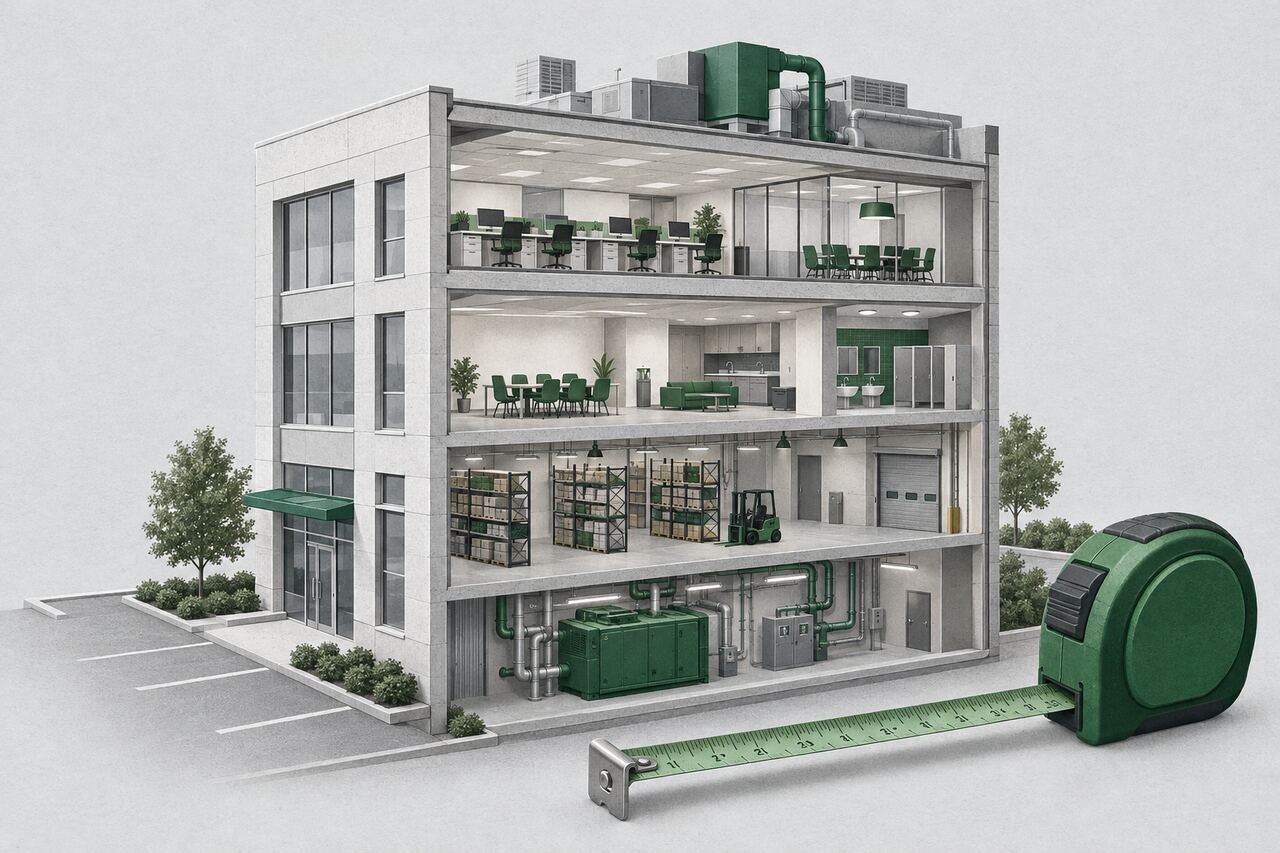
Cost segregation
An engineering based study that breaks a purchased or built property into components with different depreciation lives, instead of treating the whole building as one long life asset. It tends to fit rental, commercial, and hospitality properties, and the report goes to your CPA to use on the return.
Industries we see qualify most often
Software
Building new software or major features tends to qualify when the team has to test its way to something that works.
Manufacturing
Designing new products, improving production processes, and building prototypes to test usually qualifies when the outcome was not certain at the start.
Construction and engineering
Design work on complex projects tends to qualify where several approaches get evaluated before one is chosen.
Agriculture tech
Growing method trials, equipment built or modified for a specific operation, and processing improvements tested in the field can qualify.
New: cost segregation, and the launch library
Start with the article most owners read first: Your CPA may not know about these tax credits. These twenty articles launched the expanded library on November 26, 2026, and a new article follows every day.
Your CPA may not know about these tax credits
Why specialty studies sit outside a normal filing engagement, and the questions worth asking.
Cost segregation, explained in plain language
What a study does, who it tends to fit, and what it never promises.
How cost segregation works, step by step
The site visit, the component breakdown, and the report your CPA files from.
Cost segregation for rental properties in Nashville
Long term rentals, purchase timing, and renovations.
Bonus depreciation and cost segregation
How the two topics interact, in general terms.
Cost segregation for commercial buildings in Nashville
Office, retail, warehouse, and mixed use properties.
Cost segregation for short term rentals in Tennessee
Short stay properties and the questions that belong to a CPA.
Cost segregation for medical and dental offices
Specialized buildouts and practice owners who own their building.
Cost segregation for restaurants in Nashville
Kitchen buildouts, dining finishes, and leasehold improvements.
When cost segregation makes sense, and when it does not
An honest fit test before any fee is spent.
The R&D tax credit in Nashville
The local pillar guide to the credit, the industries that fit, and the study process.
The R&D credit for SaaS companies in Tennessee
Product development, testing, and the records SaaS teams already keep.
The R&D credit for breweries and food manufacturers
Recipe and process trials, pilot batches, and packaging changes.
The R&D payroll tax offset, explained
The option young companies use when they owe little income tax.
Claiming the R&D credit on amended returns
Looking back at open years, in general terms.
Tax credits Nashville manufacturers tend to miss
Product and process work on the plant floor.
Tax credits and cost segregation for real estate investors
Where cost segregation fits, and where the R&D credit usually does not.
R&D credit versus cost segregation
Two different tools, and the owners who can look at both.
Tax credits for Nashville business owners, where to start
The hub guide to both offerings and the free qualification check.
Who usually does not qualify
Being honest about the misses matters as much as the fits. These patterns generally fall outside the credit:
- Work done after a product is already in commercial production.
- Market research, advertising, and general business planning.
- Routine quality checks and routine data collection.
- Work funded by a customer or a grant under terms that shift the research rights away from your business.
- Research performed outside the United States.
These are general patterns, not final rulings on any one business. Contract terms and project records decide close calls. Read the eligibility FAQ for more detail.
Sample study outline
Sample
This is the shape of the document a credit study produces, shown so you can see the actual deliverable before you ever pay for one. A real study fills in each section from your own projects and records.
- Business overview and scope. What the business does, which tax years the study covers, and how the work was scoped.
- Project list. Each development or improvement project, with the technical uncertainty it set out to resolve.
- The four part test, project by project. How each project meets the test in the tax rules, written in plain language.
- People and time. Employee roles and the share of each person's time spent on qualifying work, with the records behind the shares.
- Contractor and supply costs. The outside costs included, and the contract terms and invoices that support each one.
- The calculation. The method chosen together with your CPA, and the figures it produces from the documented costs.
- Records index. Where every supporting document lives, so the file holds up if the claim is ever reviewed.
Want this outline filled in for your business? Start with the free qualification check.
Guides and articles
Industry deep dives
Software companies
New products, major features, integrations, and the extra rules for internal use software.
Manufacturers
Product design, process improvement, prototypes, and tooling work, and what usually does not count.
Construction and engineering
Why claims in this industry come from the design phase, and why contract terms decide so many of them.
Planning tools and checklists
Common mistakes
The errors that weaken or kill otherwise good claims, from whole salary claims to unread contracts.
Documentation checklist
The project, payroll, contractor, and supply records a study needs, organized by tax year.
What counts as research
The four part test, the costs a study reviews, and the costs it leaves out.
Tips for a stronger claim
Tracking development time
Habits that turn time records into evidence a study can use, without new timesheet software.
Documenting projects all year
What to save, where to save it, and the quarterly summary habit that saves a study.
Startups claiming the credit
The payroll tax option, founder time, and records to keep from the first hire.
Working with your CPA
Clear roles, clean handoffs, and timing that keeps filing season calm.
Topic FAQs
Eligibility FAQ
Sizes, entity types, owner work, and who usually does not qualify.
Software FAQ
SaaS, internal use software, agile records, and contractor developers.
Manufacturing FAQ
Prototypes, tooling, process trials, and production run questions.
Construction FAQ
Design work, value engineering, and why contracts decide claims.
Costs and fees FAQ
How studies are priced in general terms, and questions to ask any provider.
Audit and documentation FAQ
What a review asks for, and the records that make a claim hold up.
Timing and deadlines FAQ
Open tax years, amendments, elections, and study scheduling.
Tennessee FAQ
Federal claims from Tennessee, and the state program picture, hedged and general.

Common questions
What is the research and development tax credit?
It is a federal tax credit that can reduce tax owed by a business that spends money trying to develop or improve products, processes, or software. Whether a business qualifies depends on its specific activities and records.
Do I need to be a technology company to qualify?
No. Manufacturers, construction firms, food and agriculture businesses, and many other companies sometimes qualify when their work involves testing, experimentation, or solving technical problems.
Do I need a lab or a patent?
No. The test in the tax rules looks at whether your work involved experimentation to resolve technical uncertainty. Plenty of qualifying work happens on factory floors, job sites, and ordinary development teams.
How much is the credit worth?
The amount varies widely by business and depends on qualified spending, how the credit is calculated, and current tax rules. No responsible provider can promise a figure before reviewing your records.
Who usually does not qualify?
Work done after a product is already in production, market research, routine quality checks, work funded by a customer or a grant under terms that shift the research rights away from your business, and research done outside the United States generally fall outside the credit. These are general patterns, not final rulings on any one business.
How does a study work with my CPA?
Your CPA stays in charge of your return. We interview your team, document the qualifying activities and costs, and hand your preparer the study and supporting schedules to use in the filing.
Read the full FAQ or start a free qualification check.
Prefer to talk it through?
Book a consult and we will look at your business or your property together and tell you plainly whether a study looks worth doing. There is no fee for the first call, and your CPA stays in charge of your return either way.